
I am aware that we will all die eventually, it instills a sense of purpose in me. It gives me a drive to push myself to the absolute limit and work with everything I’ve got while I am still alive, healthy, and full of energy right now. I want to maximize this time to leave the best possible work behind. —— Hazuki (lynch.)
Twenty years into a career, most bands have long since traded their jagged edges for the comfortable, predictable contours of a legacy act. They settle down, they soften, or they coast on the reliable fumes of nostalgia. lynch. is not one of those bands. With their latest release, CLIMAX, the Nagoya metal titans have deliberately thrown a wrench into the conventional timeline of aging rock musicians. Rather than offering a comfortable retrospective, CLIMAX arrives as a visceral, top-speed assault, a razor-sharp 10-track statement engineered specifically for the sweat-drenched confines of a packed live house.
In this exclusive conversation, frontman Hazuki pulls back the curtain on the philosophy shaping this new era. Moving beyond the reflective process of revisiting older material, he discusses his desire to capture the immediate “now” of his musical identity. From the deliberate compactness of the album to unexpected vocal contributions from fellow band members, Hazuki breaks down the mechanics behind what he considers lynch.’s heaviest work to date. Here is a candid conversation about artistic urgency, creative evolution, and the awareness that time is finite.

——Hi Hazuki, it is nice to see you again.
You released two re-recorded albums last year, but this time it is a completely new work (interview part 1, part 2). Did facing your past songs have any influence on the production of this new album, CLIMAX?
Hazuki: To be completely honest, looking back, it didn’t actually have much of a direct influence on our creative process this time around. There isn’t a direct line connecting those retakes to these new tracks. But, the experience of confronting our older material did make one thing clear. What we were creating back then and what I want to express as a musician right now are entirely different things. Facing that contrast didn’t change the music itself, but it certainly shifted my mindset. It gave me a much stronger, more urgent desire to hurry up and put out my current musical identity. I think that intense drive pushed through into the production of CLIMAX much more powerfully than it might have otherwise.
——So, it confirmed the evolution you have made so far. The title of this album is CLIMAX. Do you have a firm belief or a real sense that the band is currently at its absolute peak?
Hazuki: Yes, I absolutely do. Right now, it genuinely feels like we are in the middle of our absolute zenith as a band. But, even though I agree that this moment represents a true peak for us, I have a very strong desire to keep surpassing and updating that standard as we move forward. I don’t ever to decline. I don’t want to view this album as a final, definitive plateau where we stop climbing. We are at a high point, but my mindset is already focused on how we can reach an even higher peak in the future.
——That’s an important distinction.
What is the specific image it carries for Japanese people?
Hazuki: When Japanese people hear the word climax, the immediate mental images that come up are usually words like peak (絶頂) or the ultimate conclusion (最後). It has that specific, powerful weight to it, just like in English. That being said, on the topic of titles, let me turn things around and ask you a question. The final track on this album is titled ZEALOT, and I’ve been told it’s pronounced ze-ra-tto. When I was putting the record together, I originally thought about using that word as the main album title instead of CLIMAX. But, I started worrying that a lot of Japanese people would look at the word zealot and have no idea how to read it phonetically, they’d be trapped wondering, “Is it pronounced ji-ro-tto or ze-ra-tto? Because it would likely confuse people, I decided it was better to stick with a clear, universally understood word like CLIMAX.
——I see. You’re right.
This album is promoted as your heaviest work yet. While many bands tend to settle down into a calmer style as they get further along in their careers, what made you want to create such an intense, aggressive work right now?
Hazuki: With this specific release, my main goal was to intentionally bring out the absolute best, most defining strengths of lynch. and present them in their purest form. When I really stripped things down and looked at what makes our band identity great, I knew the music needed to deliver an immediate, undeniable impact the absolute moment people hear it. I wanted to make something that instantly makes you think, “Wow, this is incredibly cool,” or gives you an exhilarating rush of satisfaction. When I committed myself to chasing that specific level of impact, it naturally evolved into a deeply heavy and incredibly aggressive piece of work. The idea of “settling down” or softening our sound with age never even crossed my mind. Instead of calming down, my goal was to surprise people even more than we ever have before.
——That’s really not common. I also read that this album was created with a very strong awareness of live performances. Specifically, what kind of live shows did you have in mind while writing these songs? Please also tell me about any specific details you paid close attention to.
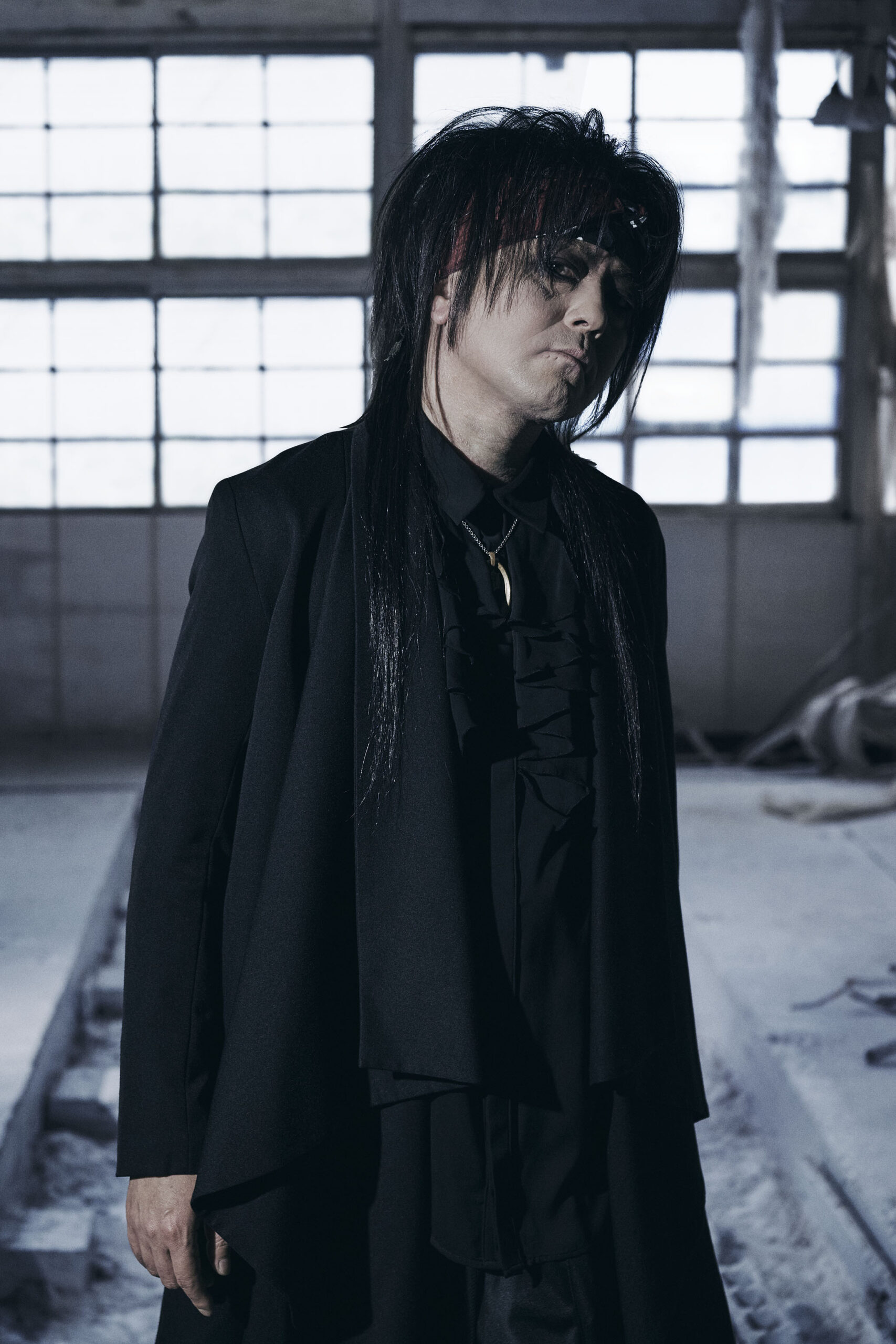
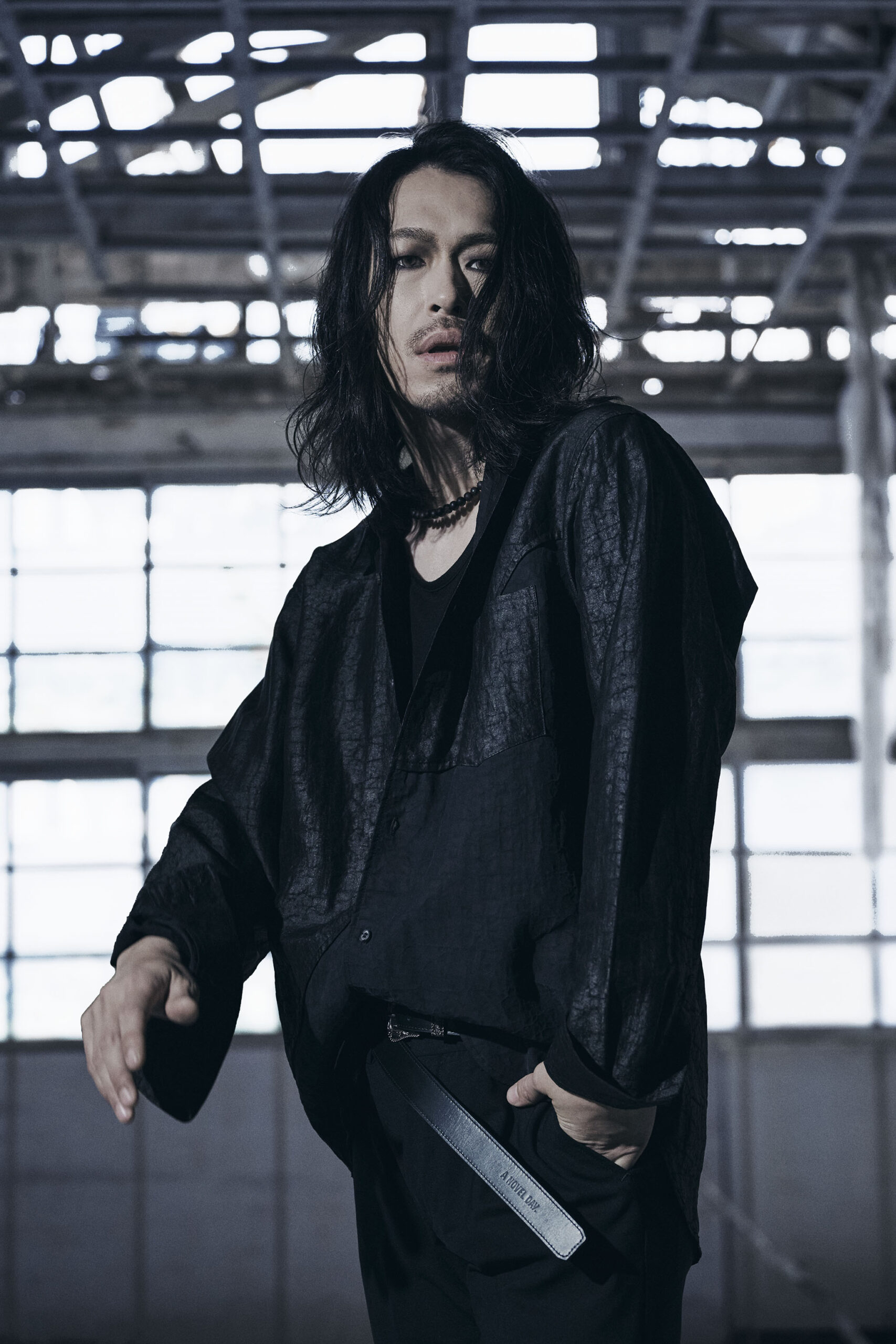
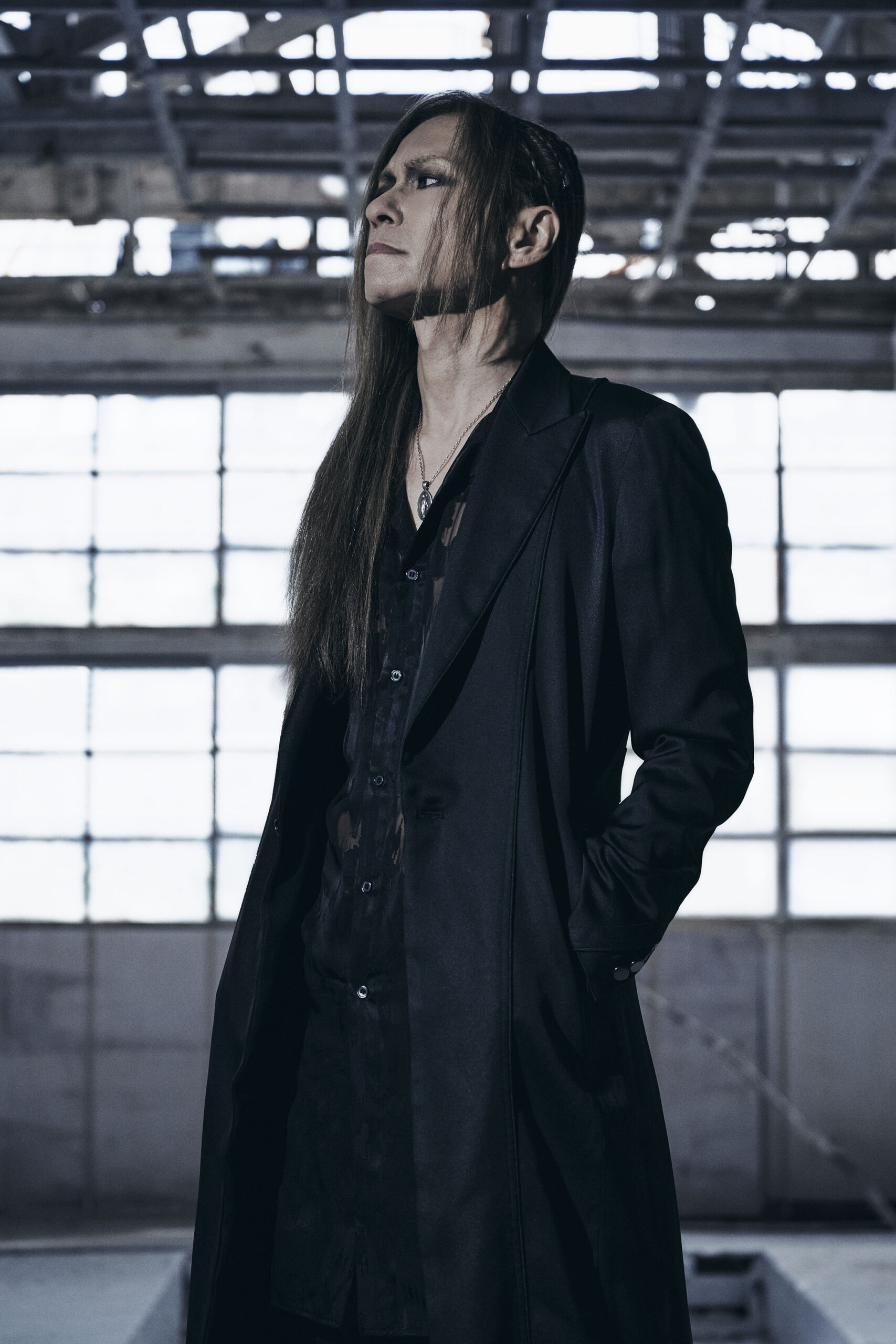
Hazuki: That’s right. When I was composing these tracks, I wasn’t visualizing massive, arena-class venues at all. The definitive image I kept locked in my head was a tight, all-standing live house. I was writing music specifically for a room where the audience is packed together shoulder-to-shoulder, completely drenched in sweat, and losing their minds breaking rules and throwing themselves into the performance. That pure energy was my blueprint. In terms of specific details we focused on, our guitarists, Reo and Yusuke, actually have designated vocal parts on this album. As you know, I have my own solo project outside of the band, but when I’m working on solo material, I don’t really have a reason to hand over singing duties to anyone else. But since this is lynch., and they are official, core members of this band, I realized that weaving their actual voices into the tracks would add an entirely new layer of interest to the music. That’s why I asked them to sing on this record, and it represents a massive departure from our traditional dynamic.

——Oh, that’s a first. When you wrote those specific vocal lines for them, did you write them with the other members’ personalities in mind? Or did you write them specifically tailored for Reo and Yusuke?
Hazuki: No, I actually didn’t think about either of their specific personalities or styles at all when I was writing. In the beginning, my plan was simply to sing those parts myself, and I wrote them with my own vocals in mind. But as the songwriting progressed, I stepped back and realized that the tracks would be far more dynamic and interesting if those two stepped up to the microphone to perform those lines instead of me.
——I see. Out of all the tracks produced for this album, which one left the strongest impression on you?
Hazuki: This one is very difficult for me to answer. They are all special to me. I’ll go with A.C.H.E. For about five or six years now that I wanted to create a high-speed, hard and pop track, and this song finally fulfilled that exact goal. I had a very specific vision for it that dates back years? specifically, an intro that kicks off immediately with a distinctive guitar phrase. The problem was that the exact guitar arrangement eluded me for half a decade. The phrase just wouldn’t click, which meant it couldn’t be fleshed out into a real song. But during this production, when I resolved that I was finally going to bring this long-standing concept to life, the guitar phrase finally came together perfectly, and the track was completed. Because it took so long to realize that vision, I have a deep emotional attachment to it. I am absolutely certain it is going to get the crowd moving and exploding with energy at our live shows, so I’m genuinely looking forward to playing it.
——Sometimes it takes time for things to click.
All of the song titles are very intense and extreme. Is there a common theme that runs through the entire album?
Hazuki: Are they ? Well, if we are talking strictly about the musical atmosphere, the unifying theme is undeniably dark. Beyond that shared sound, there isn’t a rigid, overarching conceptual theme or narrative tying the whole record together.
——What influence this dark world of lynch.? What kind of things influence you in your daily life? Politics?
Hazuki: To be completely honest, I don’t understand or follow politics at all, so that definitely doesn’t play a part. Ah, let me think… that’s a really difficult question to answer on the spot. In my day-to-day routine, there really isn’t much in the outside world that directly influences my writing. Instead, I draw heavily from the completely imaginary worlds that exist inside my own head. The darkness comes from within. If I had to pinpoint a real-world element, it would be my own internal reflections on human mortality, the fundamental reality that every single day we live, we are actively moving closer toward death. Carrying that awareness, and confronting thoughts like “the remaining time I have left is constantly shrinking,” is something that filters heavily into my mindset. Those reflections show up throughout my lyrics, I think.
——Are you afraid of death? Do you consciously think about it on a daily basis?
Hazuki: Well, yes, if we are talking about sudden scenarios. If someone were to tell me right this second that I was going to drop dead out of nowhere, or if I found out I was dealing with a life-threatening illness, that would absolutely be terrifying to face. But if we are talking about death as a natural concept outside of those sudden shocks, I wouldn’t say I’m particularly afraid of it. Rather, precisely because I am aware that we will all die eventually, it instills a sense of purpose in me. It gives me a drive to push myself to the absolute limit and work with everything I’ve got while I am still alive, healthy, and full of energy right now. I want to maximize this time to leave the best possible work behind.
——That is a beautiful perspective. Viewing mortality not as something to fear, but as the ultimate fuel for your creativity and purpose, is incredibly profound. Speaking of art, I was sent the music video for ICE. Do you think this song represents the album as a whole? Why did you choose this specific track for the video?
Hazuki: Why did we choose ICE? Let me see. To be completely transparent, I was actually firmly against making this specific song the lead music video in the beginning. For a long time, during the album production, I kept insisting to everyone that I wanted to select an entirely different track to represent the album. But, everything changed once the final lyrics were fully written, the main vocals were recorded, and that spoken-word narrative section was laid down over the bridge. Hearing it all put together, the track suddenly carried this immense, undeniable sense of persuasion. It had so much gravity that I completely changed my mind and realized, “Wow, it really has to be this one; there is no other choice.” On top of that, from a practical standpoint, the title being ICE made it very clear and straightforward for the director to build a distinct aesthetic world for the video.


——If it hadn’t been ICE, which song would you have chosen?
Hazuki: My initial instinct was actually to release CLIMAX. But after thinking it through, I realized ICE would make a better music video. Looking at how it turned out, I am completely and utterly satisfied with the final product. No regrets at all. I love the song and the video (smiles).
——It really is a beautiful video.
There is a track called SILENCE inside your most aggressive album yet, and it left a big impression on me. What kind of meaning or worldview is packed into “silence” within the context of this album?
Hazuki: That is a difficult question to articulate perfectly, but the core of the song explores the emotional weight of being in a space together with another person. Man, this is a really tough feeling to put into words (laughs). Let me try to phrase it this way: don’t you ever experience certain moments in life where “silence” itself actually feels incredibly loud? Those specific times when a lack of words becomes completely painful, or when the quiet feels like it is piercing straight through your chest. I definitely experience those heavy moments myself. This song was explicitly written to capture the exact feeling of those suffocating quiet spaces, which is exactly why I chose to title it SILENCE.
——There are indeed very loud silences, I think everyone can relate to that. Moving from the abstract to everyday life, what do you find “loud” or noisy? What irritates you the most?
Hazuki (laughs): When I’m caught in those loud silences, my immediate reaction is usually wanting to physically escape to a completely different place… Other than that, honestly, if we are talking about daily life, it’s when my cat refuses to stop meowing (laughs). That’s when I find myself genuinely thinking, “Wow, you are being so loud” (laughs). He will follow me around crying incessantly, essentially demanding, “Open this door right now, open that door right now,” even when I am stuck right in the middle of trying to work. I actually own two cats, but luckily, only one of them is the loud troublemaker (laughs).
——Thank you for sharing that candid and adorable insight (laughs)!
Is there anything you want to convey to the fans before they listen to CLIMAX for the very first time? Is there anything you haven’t said yet in other interviews, or something you want them to know more about regarding this album?
Hazuki: Hum… To be honest, there isn’t really anything I feel the need to explicitly warn or tell the fans before they press play. I have absolute faith that the moment they actually sit down and listen to the tracks, every single thing we wanted to communicate through this music will be fully and naturally conveyed to them. Because of that confidence, I’m not worried about prepping them at all. But, if there is one thing I really want to put out into the world, it’s a message directed at a specific group of people: those who used to love lynch. years ago, but for whatever reason haven’t really listened to our recent releases, and currently don’t have plans to buy this record. I want to look at them and say directly, “You absolutely need to listen to this album.” I am saying it with total certainty because I know for a fact that if they give it a chance, they are going to absolutely love it.
——Let’s hope this album appeals to your longtime fans, and that new ones will join too!
Hazuki: Thank you.
——Is there a specific aspect of this album that you consider to be incredibly important?
Hazuki: Well, if I had to name the single most critical element of this entire album, it would actually be the intentional compactness of its size. Keeping this record streamlined and concise was a core goal that we actively discussed from the absolute earliest planning stages of the album. There are two major reasons for that. First and foremost is our live tour dynamic. We have been a touring band for 20 years now, which means we have a massive legacy catalog filled with great older songs that our longtime fans completely adore. If we put out a lengthy new album, the upcoming tour’s setlist would inevitably get entirely swallowed up by new tracks just to fit them all in. I wanted to build a setlist that allowed us to weave our classic, crowd-pleasing anthems right alongside the new material. To protect that balance, I was adamant about keeping the tracklist under 10 songs. The second reason is a reflection on how people consume music now. Unlike the old days, people today are incredibly busy and have an overwhelming number of things competing for their attention, whether it’s watching videos or consuming other media. I realized that asking people to sit down and carve out a massive block of time to digest a long, dense CD album might be demanding a bit too much from them right now. With those realities in mind, I had a very strong desire to deliver a sharp, high-impact, compact piece of work that people could easily dive into, quickly enjoy, and fully experience without it becoming a chore.
——That is so true, attention spans have definitely shifted.
For our final question: if you had to describe this album using exactly three words, which would you choose?
Hazuki: Oh, wow, that is a tough challenge (laughs). Let’s see… I would say, “latest” (最新)… “Greatest” (最高)… Hmm, what should the third one be? Maybe… “shortest” (最短) in terms of actual runtime? Though I suppose calling it the “shortest” might not send the right message to people (bursts into laughter). Let’s lock it in with these three definitive words: “latest” (最新), “greatest” (最高), and “climax” (絶頂).
——Thank you Hazuki for this wonderful time again.
Hazuki: Thank you Mandah for this interview. See you around!
Mandah FRÉNOT
(c) VMJ
─────────────
⩺ OFFICIAL WEBSITE | HERE
⩺ OFFICIAL X | HERE
⩺ OFFICIAL YOUTUBE | HERE


