
Although I’ve been a professional musician for over thirty years, a stage in life where many people settle into stability, I found myself thinking that I still wanted to keep chasing new dreams. — IKUO
For more than three decades, IKUO has established himself as one of Japan’s most respected and technically accomplished bassists. Whether performing with some of the country’s biggest rock artists, recording as an in-demand session musician, composing for anime, or leading his own solo projects, he’s made a name for himself as a precise, versatile player. His latest album, SLAPPIN’ DAZE, celebrates not only his signature slap bass style but also the 30-year career that brought him there. Speaking with IKUO, however, you realize his insane technique is only half the story. This conversation is not simply a portrait of a virtuoso, but of someone whose relationship with music has never become routine. Even after decades in the industry, countless recordings, major-label successes and heartbreaks, and an extensive career supporting other artists, he still speaks about the bass with the excitement of someone discovering it for the first time. Again and again, the discussion returns to one simple idea: pure passion.
IKUO doesn’t separate work from pleasure. When the recording session ends, he goes home and plays bass. When he has free time, he studies new techniques, experiments, and keeps learning. The curiosity that began when a fourteen-year-old boy saw slap bass on television has never faded. That same fire explains his resilience. While the music industry brought its share of brutal lessons and broken bands, his love for the instrument itself never wavered. Instead of becoming cynical, he kept growing, eventually finding ultimate personal freedom as a solo artist and one of Japan’s most sought-after independent musicians.
SLAPPIN’ DAZE goes far deeper than a display of incredible chops. It’s a record of an artist who held onto his initial childhood excitement while pushing his creative boundaries. IKUO spoke with us with candor, guiding us through his influences, his approach to arrangements, his venture into singing, and the lessons learned from decades in a tough industry. Above all, his story shows that lasting thirty years in music isn’t a fluke of talent. It’s about protecting the love for your instrument from the pressures of the business.
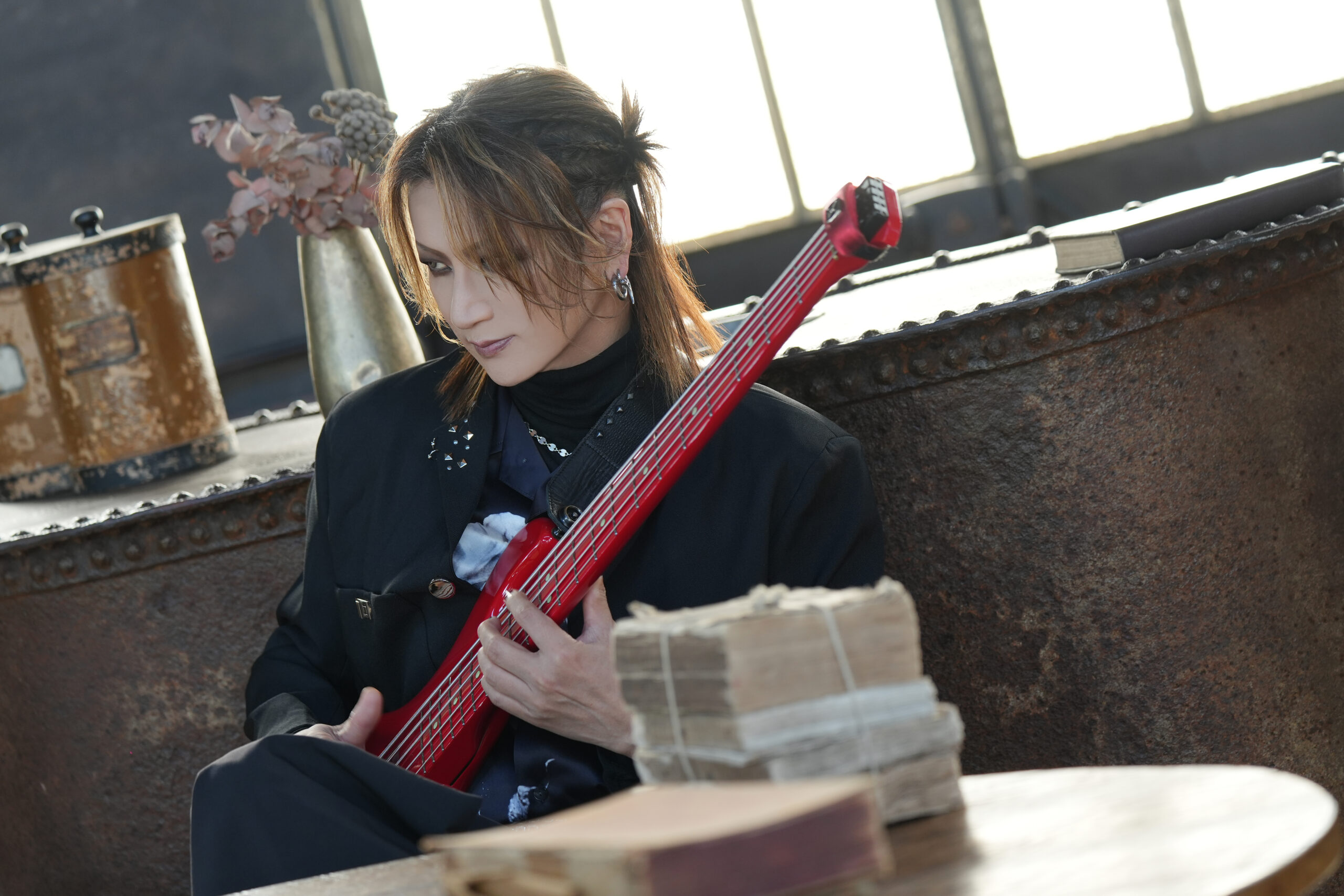
—The title SLAPPIN’ DAZE immediately reflects your musical identity. What inspired the title, and how did the idea of making slap bass the central concept of the album come about?
IKUO: Well, this is actually my third solo album for King Records. Each album has reflected where I was musically at the time. My first album marked ten years as a solo artist. Although I’ve been active as a bassist for around thirty years, it was my tenth anniversary as a vocalist. The first album was a culmination of everything I’d done up to that point. Since my career has crossed so many genres — jazz, fusion, visual kei, rock, and even writing music for anime — I wanted to bring all of those experiences together. I invited more than thirty musicians I had worked with throughout my career and created an album that represented everything I’d built up until then.
For my second album, the concept was much simpler: I just wanted to make the kind of music I was enjoying at that time. I was really into loud music and djent, especially bands using eight-string guitars, along with easycore and punk influences. I wanted to create that kind of sound with a full band.
This time, as I celebrate my 30th anniversary, I once again had a very clear idea of what I wanted to do. Recently I’ve been listening to a lot of K-pop, and I really love modern programmed pop production. I started wondering what that kind of contemporary sound would feel like if it were combined with live bass. I hadn’t heard many albums built around that idea, so I thought it would be interesting to merge the music I genuinely enjoy listening to in my private life with my own bass playing. At the same time, I’ve noticed that more and more young bassists are embracing slap technique. Slap has always been one of the biggest parts of my playing. It’s not necessarily the only thing I do, but certainly one of my strongest techniques. I wanted to combine that strength with the modern pop sound I’ve been enjoying, and that became the foundation of SLAPPIN’ DAZE. I especially wanted slap bass to take center stage. Throughout my career, people have often invited me to recording sessions specifically because they wanted slap bass. I’ve also written instructional books on slap technique, so it’s something that has always occupied a huge place in my musical identity. Compared to my previous albums, this one has a much stronger focus. Before, I explored many different styles and approaches, but this time I wanted every song to move in the same musical direction. My goal was simple: play slap bass everywhere, sing over it, and make that the identity of the album.
—That’s why it’s the title of the album.
IKUO: Exactly. In fact, I imposed one rule on myself. I wouldn’t use fingerstyle bass at all. Every single bass part on the album is played with slap. Even phrases that might sound like fingerstyle are actually performed using slap technique. It became a personal challenge that matched the album’s title. The title itself also has a double meaning. Of course, SLAPPIN’ refers to slap bass, but DAZE also plays on the Japanese expression “da ze” (“だぜ”), which gives it a confident, playful feeling, almost like saying, “It’s slap, man!” or “This is slap!”. There’s another little joke behind it as well. It also refers to PSYCHO DAZE BASS, is a specialized rock bass record label created by King Records in collaboration with Bass Magazine. So, it’s a title that feels very much like me.
—I see. Interesting.
If you had to choose one song that best represents SLAPPIN’ DAZE, which track would it be, and why?
IKUO: I’d have to choose “SLAPPIN’ turn it up!” In fact, I even considered making that the album title. Every song on the album features slap bass, but this track really embodies everything SLAPPIN’ DAZE is about. On my first album, I had a song called “N.S.R”, which was all about bass playing and pushing beyond the ordinary. In a way, “SLAPPIN’ turn it up!” feels like a follow-up to that song. It’s basically a declaration of, “I’m going to play slap bass as much as I can!” The song has a strong funk feel, and right in the middle there’s a bass solo featuring one of Victor Wooten’s signature techniques, the double-thumb technique. I really wanted to showcase that style of playing in this song. Because it brings together the album’s concept, the slap-focused approach, the funk groove, and one of the techniques that has influenced me the most, I’d say this track represents SLAPPIN’ DAZE better than any other.
—What was the biggest highlight of the recording process for you, or is there a specific song that you felt particularly proud of after completing it?
IKUO: I recorded all of the bass parts at home, taking my time and working carefully, so there are a lot of moments I remember fondly. But if I had to choose one song, it would definitely be “Breaking into the Light”. It was the first song I wrote for the album, and the moment it was finished, I knew, “This is the direction I want to take.” The song opens with an aggressive slap bass intro, but at the same time it has a very catchy melody. When I combined that pop sensibility with modern programmed arrangements inspired by K-pop, everything suddenly clicked. I realized this would become the core sound of the entire album. From there, every other song grew out of that concept. Some became faster, some leaned more toward funk, but “Breaking into the Light” remained the foundation that defined the album’s musical identity. I’m also especially proud of the lyrics. Although I’ve been a professional musician for over thirty years, a stage in life where many people settle into stability, I found myself thinking that I still wanted to keep chasing new dreams. The song reflects those feelings. It’s about encouraging myself to keep moving forward, while also hoping listeners will feel inspired to do the same.
—It’s not often you hear that from someone with your level of experience. Most people do just settle in.
IKUO: Yeah, that’s not me. It’s true that at 30 years in, you reach an age where people expect you to settle. And settling isn’t wrong — but I still want to chase something. That tension is what the song is about. It’s partly a message to myself, and partly something I hope listeners feel in their own lives.
—Can you tell us more about the lyrics?
IKUO: Sure. I actually find writing lyrics to be the hardest part of the entire creative process. I’m not a professional lyricist, so my lyrics tend to be very direct and straightforward. I like using words that are easy to understand rather than trying to be overly poetic or abstract. Sometimes a single keyword becomes the starting point for an entire song. For example, “Scroll Parade” came from something very ordinary. I spend far too much time watching TikTok and endlessly scrolling through videos. Turning those everyday experiences into songs often comes surprisingly naturally. I’ve always tended to write positive, encouraging lyrics, and there are several songs like that on this album as well. In that sense, this album was a real creative adventure for me, both musically and lyrically.
—You’re singing while playing incredibly fast slap bass. What’s going through your mind while you’re doing that? Are you thinking about the rhythm, the lyrics, the bass line — or does your body just take over after all these years?
IKUO: That’s an interesting question. To be honest, I haven’t actually performed these songs live yet, so I’ll probably have a better answer after I’ve experienced it on stage! People often compare it to singing while playing acoustic guitar, and I think that’s actually a good comparison. When you’re strumming or picking an acoustic guitar, your hands naturally settle into a rhythmic pattern while you sing. Slap bass feels similar to me. Although slap is technically demanding, the thumb movement creates a very clear pulse, almost like a guitarist’s strumming motion. Because of that, it’s actually easier to lock into the rhythm than people might expect. In some ways, singing while playing slap isn’t necessarily harder than singing while playing certain fingerstyle bass lines. That said, the thing I pay the most attention to is definitely the lyrics. I don’t want to make mistakes with the words. From the audience’s perspective, the vocals are the most important part. People will immediately notice if you sing the wrong lyrics, but they probably won’t notice if you miss a bass note. That’s why I always prioritize the singing.
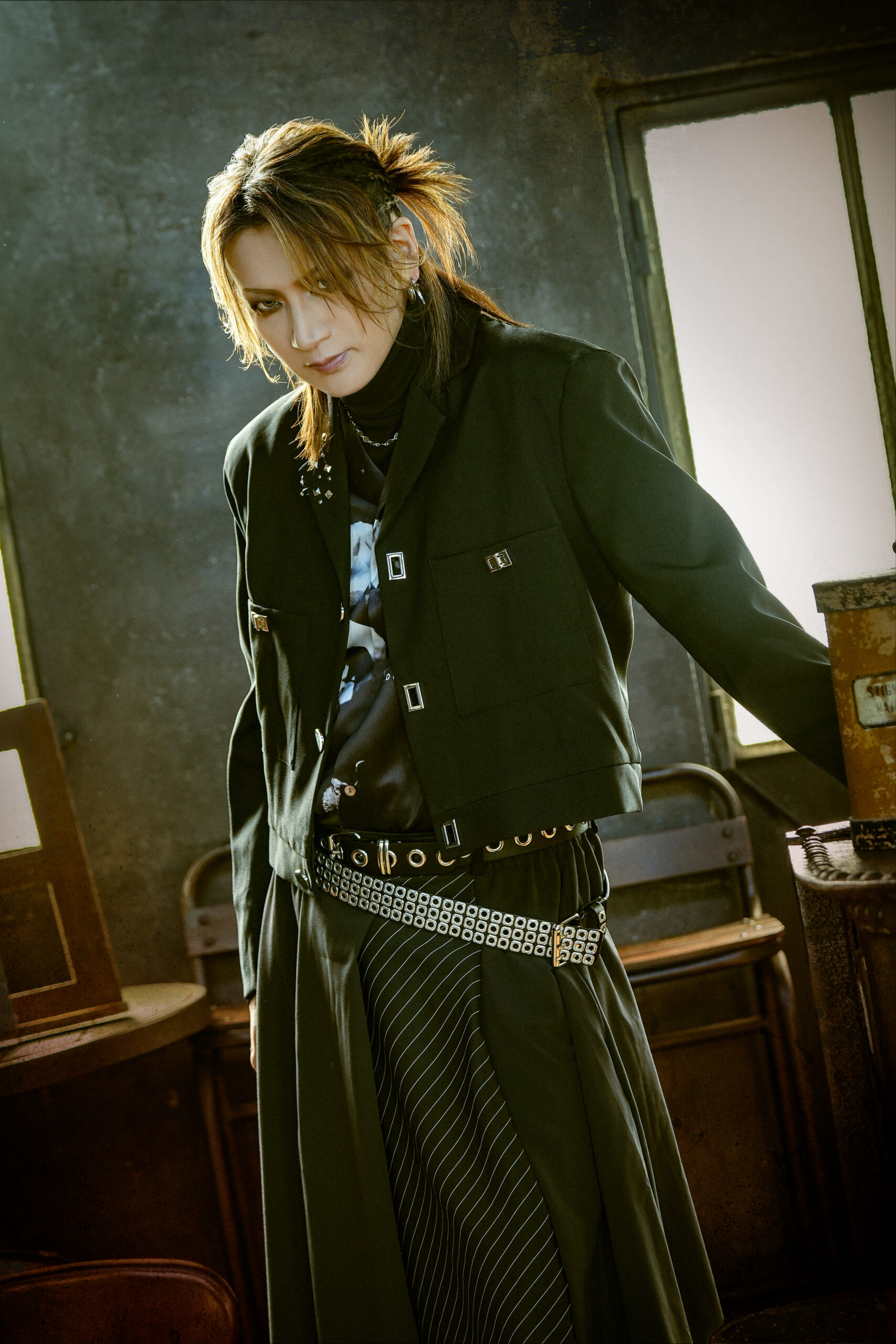
—So, with this new album, do you see yourself as a bassist who sings, a singer who plays bass?
IKUO: Hum… If I had to choose one, I’d definitely say I’m a bassist who sings. Bass has always been at the center of my life. It’s the instrument I’ve devoted my career to, and that’s still how I see myself today. Of course, I also love singing, and over the years it has become a very important part of my artistic expression, but I don’t think of myself as a singer who happens to play bass. That doesn’t mean I see bass as somehow more important than vocals. It’s simply that being a bassist is the foundation of who I am. Singing is something I genuinely enjoy, and it’s become another way for me to express myself, but my identity has always started with the bass. Interestingly, when I perform, I think audiences tend to pay more attention to the vocals than the bass. Of course, many bass players come to my shows, but the majority of people are there simply to enjoy the music. They’re listening to the melodies and the lyrics.
—True. For the general audience, it’s always the voice and the lyrics that connect first.
IKUO: That’s actually how I approached this album. If my main goal had been to make people focus only on the bass, I would have made it an instrumental album. Instead, I wanted listeners to enjoy the songs first — the melodies, the lyrics, and the overall music. The slap bass and technical playing are there to enhance those songs, not to overshadow them. Even when I compose, the melody comes first. I write the song, build the arrangement, and only then do I create the bass parts. So, if I had to rank what I want people to hear, the song itself comes first. The bass is an essential part of that, but it serves the music rather than the other way around. Perhaps that’s because bass is naturally a low-frequency instrument. The human ear is drawn to melodies and vocals first. That’s simply how people listen to music.
—Ironically, though, I think people today appreciate bass much more than they did in the past.
IKUO: Exactly. Slap bass, in particular, has become far more visible across many different genres, so audiences are much more aware of what the bass contributes to a song than they were years ago.
—Which is great!
You’ve mentioned Jaco Pastorius, Billy Sheehan, Mark King, and Victor Wooten as major influences. Each of them has such a distinctive style. What do you feel you learned from each of them? Looking back, how did those influences come together to shape the artist you are today?
IKUO: The very first bassist who had a huge impact on me was Jaco Pastorius. I discovered him when I was around fourteen. What fascinated me was the way he played funk on a fretless bass. His phrasing had such a unique groove and musicality, and that really stayed with me. To this day, people tell me I have a Jaco-ish quality in my tone — the way I angle toward the bridge pickup, certain phrasing tendencies.
Later, the biggest turning point for me was Billy Sheehan. Up until then, I wasn’t really a rock musician. When I saw Billy, everything changed. He showed me that you could play incredibly technical bass in a hard rock and metal setting while still looking cool on stage. That was a huge revelation. I became completely absorbed in his style. I even played in Billy Sheehan tribute bands, and his approach to distorted bass had a tremendous influence on me. If I had to name the bassist who inspired me the most overall, it would probably be Billy.
Mark King is the one most directly reflected in what you hear from me today. Because Mark King sings while playing high-speed slap. Seeing him do both at such a high level was a real shock. My own slap style owes a lot to him, especially his use of left-hand ghost notes and rhythmic phrasing. He might actually be the biggest single technical influence on my current playing.
Then there’s Victor Wooten. I was already a working professional when his work reached me. And he showed me things I hadn’t conceived of: left-hand tapping, the double-pop technique where you pull with two fingers simultaneously, the rotary method. He expanded the vocabulary again just when I thought I understood the range of what slap could do. One technique that especially influenced me was what I now call my rotary technique. Victor’s double-thumb approach became the starting point, and I developed it further into my own style of fast rotational movement. I think Victor was the first person I ever saw using those kinds of ideas, and they opened up an entirely new world for me.
Each of those musicians influenced a different aspect of my playing, but when I look at myself as a whole, I still think of myself as a rock bassist. I love playing on big stages at high volume much more than sitting in a jazz club. I admire musicians who can create an entire world with just one bass guitar, and Billy Sheehan probably represents that ideal more than anyone else for me.
—Were you influenced by vocalists?
IKUO: As for vocalists, that’s actually a much harder question. I’ve worked with so many incredible singers over the years. I’ve also worked closely with Takanori Nishikawa, and hearing him perform up close has been incredibly inspiring. My own band’s vocalist, Tazawa, is another singer I admire very much. At the same time, I’ve also become increasingly interested in more modern styles of singing, especially softer voices and mixed-voice techniques, including many K-pop singers. That said, I don’t think there’s one vocalist I can honestly say I was directly influenced by. To be honest, I’ve never particularly liked my own voice. But I’ve come to accept that it’s part of my individuality. That’s who I am, and instead of trying to become someone else, I’ve learned to express myself with the voice I have.
—It’s incredibly common to be your own worst critic when it comes to your voice. Letting go of who you think you should sound like is incredibly freeing. You’ve said that being able to play bass today feels almost like a miracle. During your career, was there ever a time when you felt you might not be able to continue, or faced a major obstacle that made you question your path? How did those experiences shape the musician you are today?
IKUO: I’ve never really felt that I wanted to stop playing bass itself. The hardest period came before my career truly took off. After graduating from university, before I became a professional musician, I went through what people would call the “paying your dues” stage. That period was filled with setbacks. There were times when I wondered if making a living through music was even possible. I was constantly struggling, and I even became ill at one point. Then I finally achieved what had always been my dream: making my major-label debut with a band. Back then, in the mid-1990s, a major debut was everything. Today there are so many different ways to build a career, but at that time, signing with a major label was considered the ultimate goal. I honestly believed that once I’d reached that point, my future was secure, that everything from then on would be wonderful. Instead, the band’s contract ended after only a year or two. That completely shattered my expectations. I couldn’t believe it. I remember thinking, “adults really do lie.” Until then, everyone around us had been saying, “We’re going to make this band successful.” Then, only a short time later, those same people had completely changed their attitude. It felt as though they had simply turned their backs on us. The band’s relationships also began to fall apart. Before our debut, everyone shared the same dream, but once that dream disappeared, so did the unity. Looking back, I realized that for many people the goal had been making a major debut, not continuing to be a band. Once that goal was gone, people naturally started thinking about making a living instead. That experience taught me a great deal, not only about the music industry, but about people. Eventually I reached the point where I thought that maybe succeeding as a band wasn’t the path for me. That’s when songwriting opportunities started coming my way. Then I began receiving offers as a support bassist. Instead of being valued as part of a band, people began recognizing me as an individual musician. From that point onward, I never really felt like I couldn’t continue anymore. The work kept coming. Magazines began featuring me, Bass Magazine put me on the cover, and I was invited to more and more recording sessions and live performances. As an individual bassist, I finally found the place where I belonged. That’s why I say it’s a miracle that I’m still able to do this.
—That’s inspiring.
IKUO: Thanks. As a freelance musician, nobody owes you work. Every new project means that someone has chosen you. The fact that people have continued to need me for more than thirty years is something I never take for granted. Looking back, almost all of my biggest setbacks came during my years in bands. Once I began working independently, things gradually fell into place. Those difficult years also changed the way I think about trust. I realized that, in the end, the one person I could always rely on was myself. As a solo musician, I wasn’t tied to a single band or a single contract. I could work with many different artists and build relationships based on my own reputation. Ironically, that difficult period became one of the greatest lessons of my career. Today I’m still in bands, but it’s very different now. The people I play with have gone through similar experiences, so everyone understands what’s really important. There’s a maturity that simply wasn’t there when we were young. Looking back now, I think all of those struggles were valuable. They shaped not only the musician I became, but also the person I became.
—That’s a beautiful success story. Finding individual self-reliance gave you the freedom to survive.
IKUO: Yes, exactly.
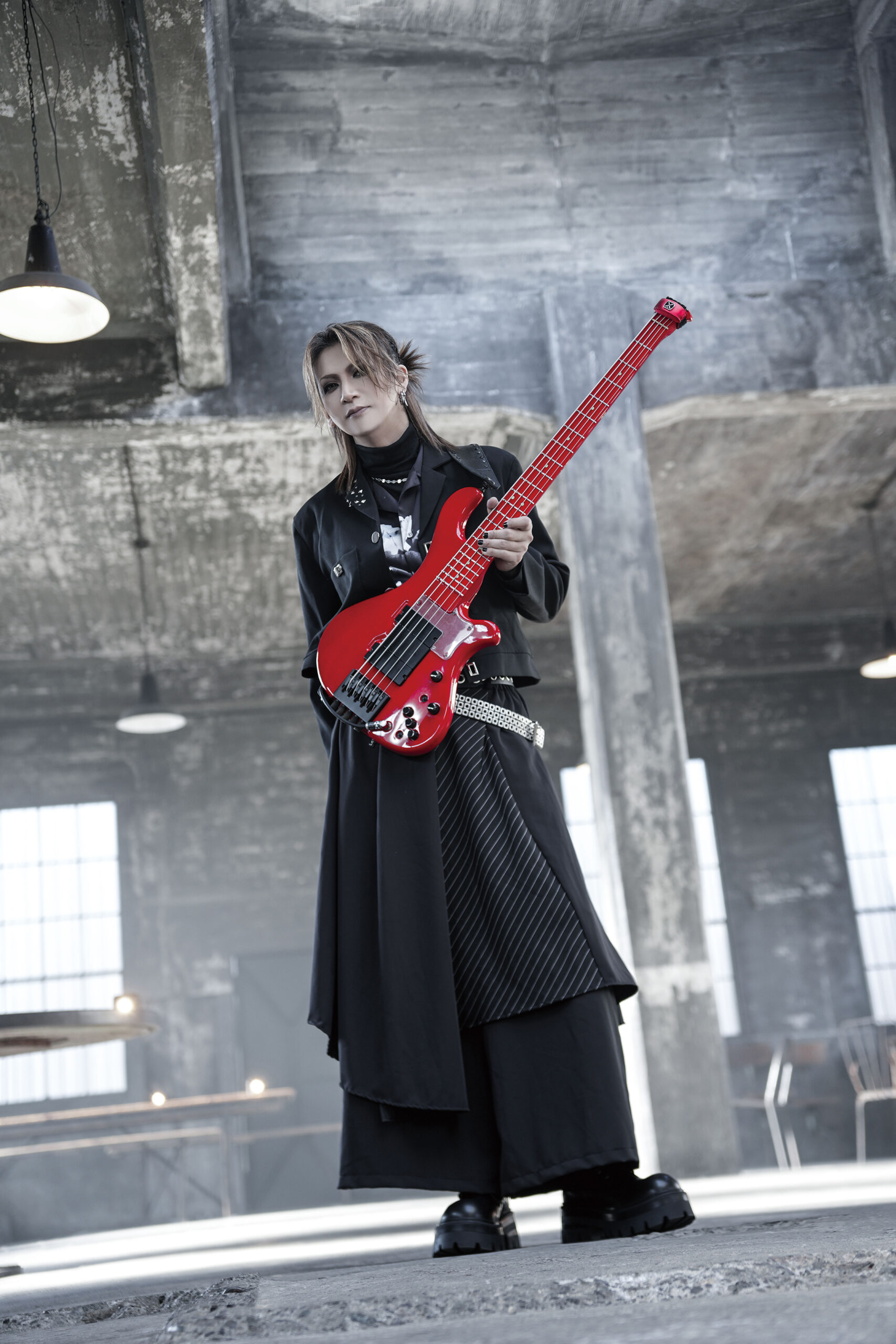
—Throughout your career, you’ve shown just how expressive the bass can be. Do you think today’s listeners fully appreciate how much the bass can shape a song?
IKUO: I actually think today’s music lovers appreciate the bass much more than they used to. Over the past several years, the bass has really started attracting more attention, and I believe one of the biggest reasons is slap bass. Slap is easy to recognize. Depending on the genre, people sometimes don’t even notice the bass. In metal or loud rock, for example, listeners may simply think of the bass as the instrument supporting everything underneath. But modern music has changed. The bass is mixed much louder now, and slap bass immediately stands out. It has that sharp, percussive attack, the “bakin, pakin” sound, that instantly catches your ear. What makes the bass so fascinating is that it can produce two completely different characters with the exact same instrument. It can deliver deep, powerful low-end, but simply by changing the playing technique it can suddenly become bright, percussive and incredibly expressive. That contrast has always been one of the bass’s greatest strengths. The bass used to be considered the least noticeable instrument in the band. People would always focus on the guitar or the drums. But I think that’s changing. Today the bass stands alongside the guitar as one of the defining voices in an arrangement. Because of that, people have developed much better ears for bass than they had in the past. I really feel that has happened over the last ten years or so. That’s one of the reasons I wanted to make this album entirely with slap bass.
—You sound very passionate about the bass. After more than 30 years, do you think your relationship with the instrument is still the same as when you first started, or has it completely changed?
IKUO: That’s an interesting question. What’s unusual about me is that bass is both my profession and my hobby. My relationship with the instrument hasn’t changed a bit. When I’m working as a session bassist, of course it’s a different mindset. Every project requires a different approach. If I’m recording for another artist, my job is to serve the song. I have to think carefully about the tone, the effects, the equipment, and how to create exactly the right sound for that particular piece. I invest in pedals and gear, experiment with different sounds, and approach everything very professionally. In that sense, it’s serious work. At the same time, I’m fortunate because many people hire me specifically for what I do. They’ll often tell me, “Play it however you like.” By now I’ve built an image as a flashy bassist, so they’re expecting me to bring my own personality and techniques into the recording. That’s part of my job as well. But outside of work, bass is still my hobby. Whenever I have free time, I’m watching bass videos online, studying new techniques, practicing them, and then finding ways to incorporate those ideas into my work. The line between my hobby and my profession is incredibly blurred. I also play regular jazz sessions where studio musicians get together, read charts, and perform live in front of an audience. Those sessions are much closer to the hobby side for me. That’s where I can try out a brand-new technique and think, “I’m going to use it here and see how it works.” Of course, those experiences often lead to new professional opportunities, but the motivation comes from simple curiosity and enjoyment. The funny thing is, when most people finish work, they switch to a completely different hobby. They might go fishing, surfing, snowboarding, camping, something to relieve stress. I don’t. I go home… and I play bass (laughs). Honestly, I don’t think I’ve changed at all over these thirty years. My relationship with the instrument is exactly the same as it was when I started. Bass has never become something I needed a break from. I’ve never felt like I needed another hobby to escape it. People often ask what I do to relieve stress, but bass isn’t a source of stress for me. It’s something I genuinely love doing. Even though it’s my job, it’s also what I want to do the most.
—Maybe that’s why you still enjoy discovering a new technique so much. Your passion hasn’t faded.
IKUO: Yeah… I do have other interests. I enjoy eating good food, for example. But I wouldn’t really call those hobbies — they’re simply part of everyday life. When it comes to my real passion, it’s always been the bass. Whether I’m working or relaxing, that’s what I want to be doing. So after more than thirty years, my relationship with the instrument really hasn’t changed at all. I’ve simply continued doing what I’ve loved since the very beginning.
—If you could say one thing to the 14-year-old who first picked up the bass, what would it be?
IKUO: When I first picked up the bass at fourteen, it was because I had seen The Brothers Johnson on television. That performance completely changed my life. The impact of seeing Louis Johnson play slap bass was so overwhelming that I immediately thought, “I want to play that instrument.” Looking back now, I realize that the excitement I felt at that moment has never disappeared. The passion that made me start playing is exactly the same passion that drives me today. Everyone begins playing an instrument for different reasons. Some people start a band with friends, and whoever loses a game of rock-paper-scissors ends up playing bass. Some people don’t even like the instrument at first, but eventually become deeply involved in it and even turn professional. My story was different. I fell in love with slap bass from the very beginning, and that first inspiration has stayed with me throughout my entire career. So, if I could say one thing to my fourteen-year-old self, it would simply be: “I’m glad you held on to that feeling. Keep going!” That initial excitement never faded, and it eventually became the foundation of everything I do today. In my generation, a lot of bassists actually started out on guitar before switching to bass. That was very common. But I think today’s younger players are different. Many of them choose the bass from the very beginning. One reason is the internet. Today, young musicians can watch endless videos on social media and immediately see incredible slap bass performances. When I was growing up, none of that existed. I was simply lucky enough to catch a television performance late one night, and that single moment changed my life. After that, if I wanted to learn more, I had to actively search for books, magazines, and instructional materials. There was no YouTube, no social media, no instant access to information. Today, everything is available instantly. If someone has talent and is willing to practice, they can reach a very high technical level in just a few years because all the information is right there.
—It really has. Access to information is so much easier now. If you could look back at that young version of yourself starting out, what would you tell him?
IKUO: That’s right. So, if I were giving advice to my younger self… honestly, I don’t think I’d change anything. I’d simply tell him: “You were right to trust that first instinct. Keep following it, because it will stay with you for the rest of your life.” I wouldn’t change anything. I would just encourage myself to do exactly what I did. I’ve always had a positive relationship with the bass. Even now, I don’t have any negative feelings toward the instrument itself. I would just take the opportunity to tell that boy, “One day you’ll make an album built around the very thing that inspired you in the first place. You’ll create the slap bass album you’ve always dreamed of making. So, keep believing in that excitement. It really will come true.”
—Trusting your instinct for thirty years and arriving exactly where you always wanted to be is a massive inspiration. Thank you for your time, IKUO.
IKUO: Thank you very much. It was a pleasure talking with you. I hope the listeners enjoy the music and feel that same excitement.
Mandah FRÉNOT
(c) VMJ
─────────────
⩺ OFFICIAL WEBSITE | HERE
⩺ OFFICIAL INSTAGRAM | HERE
⩺ OFFICIAL X | HERE
⩺ OFFICIAL YOUTUBE | HERE