
After continuing my career for so many years, I had begun to feel that I was losing sight of myself. I thought that making music again with the members I had played with back then might help me return to my roots. — Reo
A portrait in reverse: going back to move forward. With the release of Iustitia sine misericordia, on Oct. 7th (2026) kein has entered a new chapter. Nearly three decades after the band first emerged, Reo and his bandmates are once again bringing their music to the stage, currently touring in support of their first full-length album since their major-label debut. Best known for his work with both kein and lynch., guitarist Reo has travelled a considerable distance since the band’s original formation. Yet returning to kein has offered him something more than the opportunity to revisit an earlier chapter of his career. It has also brought him back into contact with the creative instincts and sense of purpose that first drew him to music.
We caught up with Reo during a brief window between tour dates for an in-depth conversation that moves beyond the new album to explore the experiences that have shaped him, both as a musician and as a person. From growing up in a Catholic family in Japan and discovering the transformative power of rock music through X JAPAN, to the influence of his studies, the support of his parents and teachers, and the perspective he has gained over decades of making music, Reo reflects on a life shaped by different worlds and experiences. He also speaks candidly about why he wanted to bring kein back, what returning to the band’s origins has allowed him to rediscover, and how his understanding of music and collaboration has changed with time. At the heart of our conversation is a question of continuity: what remains of the person who first began making music, and what changes when life takes us further away from our beginnings? For Reo, sometimes moving forward means finding a way back.
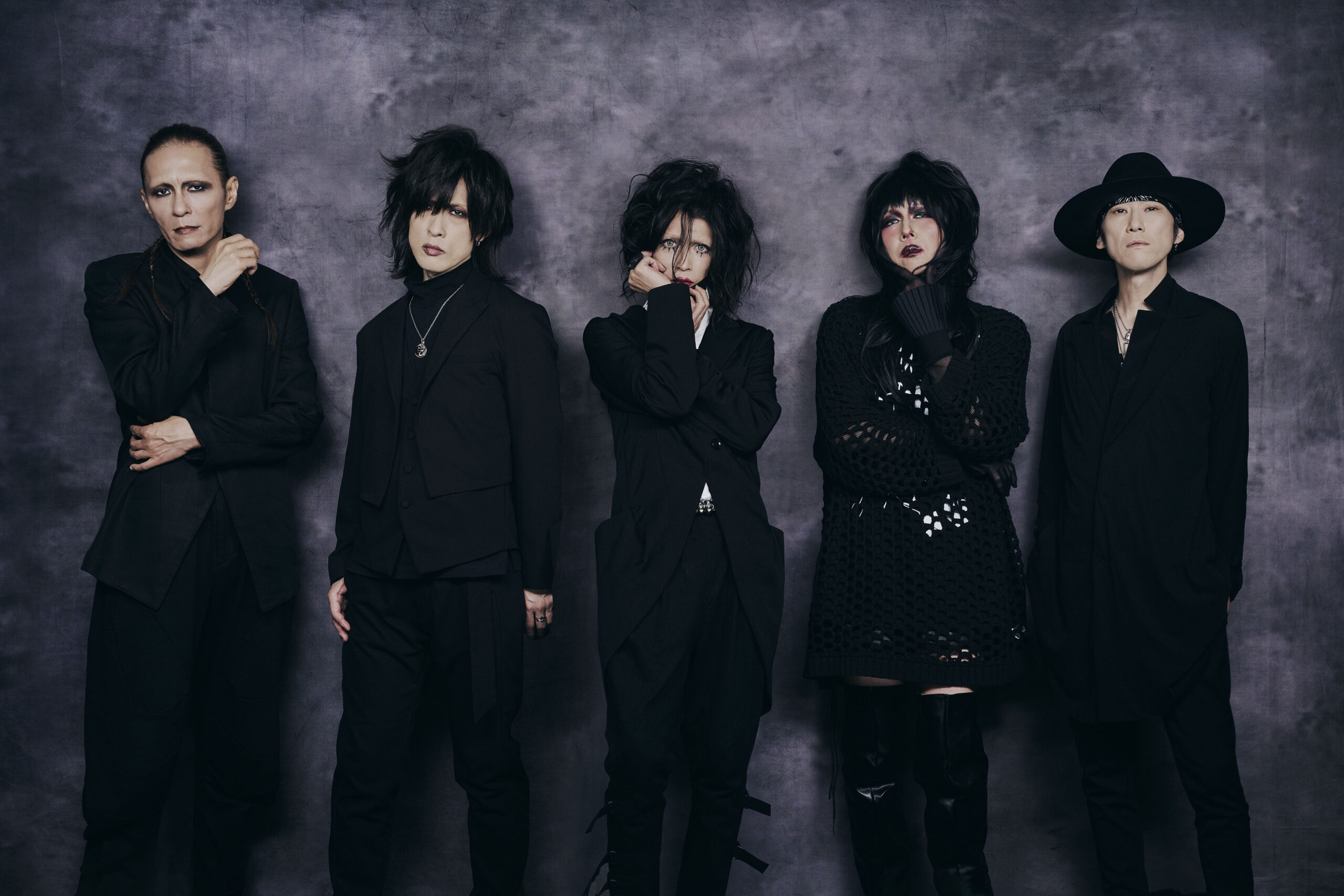
——Thank you very much, Reo, for taking the time to speak with me today. I truly appreciate you fitting this interview into your schedule, especially while you are on tour. For this interview, I would like to go beyond the album itself and explore the person behind the music. I’m interested in learning more about you, your journey—from your childhood to the person and artist you are today.
Reo: It sounds great! Thank you for having me.
——Before music became such an important part of your life, what kind of child were you? What was your family environment like growing up?
Reo: I was raised in a Catholic family. I was baptized as an infant, and going to church together every Sunday was a regular part of our family life. Catholicism was not something I discovered, it was always part of my upbringing and family environment from the beginning. My religious identity is something I inherited through my family. And, at the time, there were very few families like ours in Japan, so my childhood was somewhat different from that of many of my peers. While my friends spent their Sundays playing in the park, I would be going to church and attending Mass with my family. Looking back, I think this also meant that I spent more time playing by myself. The rhythm of my childhood was different in that respect. While other children might have spent their free time playing together, I often found myself spending time alone.
——That’s interesting, because it’s something I’d like to explore further as we continue our conversation. You mentioned previously that both your parents worked and that you often spent time alone in your room as a child. Looking back, do you feel that having so much time to yourself influenced the person you became, or perhaps the way you approach music and creativity today?
Reo: I used to read quite a lot as a child. Reading naturally led me to imagine all kinds of things, and I would often let my thoughts wander beyond what was actually written on the page. A story or an idea could become the starting point for something entirely different in my imagination. I think having so much time to myself played a part in developing that ability. Rather than always having someone else to play with or something happening around me, I often had to find ways to occupy myself. Reading and playing alone gave me the freedom to let my imagination develop in its own direction. Looking back now, I feel that those experiences may have helped me cultivate the ability to create something out of nothing. Perhaps spending so much time in my own world taught me, in some way, how to take an idea and develop it into something that hadn’t existed before. I think that capacity to imagine and create has remained important to me, including in the way I approach music.
——You started playing guitar after entering university, but before that, you had primarily focused on your studies. What did you study at university, and how did your interest in music first develop? Was there a particular moment when you began to feel drawn towards rock music?
Reo: My first encounter with rock bands was when I was in junior high school, around the age of fifteen. However, my relationship with music had actually begun much earlier. During elementary school, I studied violin for six years, so although I hadn’t yet discovered rock music, I was already familiar with playing an instrument. I also grew up surrounded by the music of the church. I regularly heard pipe organs and hymns, which meant that music was already a natural part of my everyday environment. I also remember the symphonies I heard at church, which may have influenced my musical sensibilities as well. In that sense, I had been exposed to quite different musical worlds from an early age. My interest in rock music became much stronger when I was around fifteen. Seeing X JAPAN on television for the first time was a big shock. It made a big impression on me, and after entering high school, I began going to their concerts. That experience opened up an entirely new world of music for me. Even so, I didn’t immediately think about becoming a musician. When I entered university, I decided that I might try playing guitar during the summer holidays. At first, it was simply something I wanted to do for fun, almost as a natural extension of my interest in music. At university, I studied business management, including subjects such as business strategy and patents. Although my academic studies and musical activities might seem like two quite different paths, I think what I learned at university has also influenced what I do today, particularly through my activities with lynch.
——What made you want to turn music into a profession?
Reo: After entering university, I started performing with the light music club. Gradually, I developed the desire to have other people listen to music that I had composed myself. When I was in my third year, at the age of twenty-one, I performed an original song at a live music venue for the first time. I remember the excitement I felt then, and the happiness of having people listen to something I had created and seeing them enjoy it. In my fourth year, when everyone started looking for jobs, I went to speak with a teacher who had supported me. He told me, “If you’ve managed to work this hard at your studies, I think you’ll be able to make it in any environment. Why not give it a try?” He encouraged me to take that step. So, I didn’t look for a job. I received quite a few offers from companies asking me to join them, but I turned them all down. But you know, I think those studies have also had some influence on my activities with lynch. today.
——That’s actually wonderful. It sounds like you had a great teacher who gave you some really valuable advice. I imagine your studies have also given you a broader perspective on what it means to work as a professional musician, beyond the creative side of things.
Reo: Yes, exactly.
——You mentioned that you are Christian. I’ve also often noticed you wearing a necklace of the Virgin Mary. Among the teachings of Jesus Christ, is there one in particular that has stayed with you or that you consider especially meaningful in your own life?
Reo: That’s a difficult question. Since I was very young, I’ve constantly been surrounded by the words and teachings of priests and other people who have taught me about Christianity. Because these teachings have been part of my life for so long, it’s difficult for me to single out just one and say that it is particularly important to me. But, there are certain principles that I have always tried to live by. One of them is that I don’t want to get ahead in life by putting other people down. I don’t believe that achieving something should come at the expense of someone else. There is also another phrase that means a great deal to me: “Unless you ask, you cannot receive; unless you knock, the door will not open.” To me, they express the importance of taking the first step rather than simply waiting for an opportunity to come along. I’ve actually designed these words on the guitar picks I use. They express something I have continued to believe in: if you want something, you have to take the initiative and make the effort to reach for it. You cannot simply wait for things to happen. And do it without diminishing someone else. These are words and values that I have carried with me for a long time, and they remain important to me today.
——These are beautiful principles to live by. How would you describe the place that faith and music each occupy in your life? Do you feel that the two are connected in some way, even if that connection isn’t always conscious?
Reo: I don’t think they are necessarily connected in any direct way. To be honest, I don’t consciously think about the relationship between my faith and my music very often. But, I do feel that the various experiences I’ve had throughout my life have inevitably become part of who I am, and in that sense, they may find their way into what I create, even without me being fully aware of it. I also think my admiration for X-JAPAN may have played a part in shaping my musical sensibilities. And having studied violin throughout my childhood, I imagine that classical music has also influenced my tastes and the kind of music I want to create. Perhaps all these different experiences have contributed to my musical identity in their own ways. I don’t necessarily separate them or consciously try to bring them together; they are simply part of the background from which I approach music.
——Have you ever felt drawn to exploring classical music or gospel more deeply, or perhaps incorporating those influences more explicitly into your own compositions?
Reo: Yes. But, rather than trying to reproduce gospel or classical music in their original forms, I prefer to take certain elements from those musical traditions and incorporate them into my own work. For example, those influences can find their way into guitar melodies, arrangements and other aspects of the music. I don’t necessarily approach them as separate genres that I want to recreate. Instead, I think they become part of the musical vocabulary I draw upon when developing my own sound. In that sense, even if the influence isn’t always immediately recognizable, elements of the music I grew up listening to can still find their place in what I create today.
——You previously mentioned that your family also has connections to Christian communities in Italy.
Reo: France, not Italy. My cousin is a monk in France, where he lives in a monastery. My mother also used to make regular visits to Lourdes, in France. She hasn’t been able to go recently because her health hasn’t been very good, but she continued visiting until around ten or fifteen years ago. Whenever she went, she would stay at my cousin’s monastery.
——So, Christianity has had a significant presence in your family beyond your own upbringing.
Reo: Yes. My father, however, was originally Buddhist. He converted to Catholicism some time after I was born. There was a priest who was particularly kind to him. My father gradually began talking with him, and through those conversations, he became increasingly interested in Catholicism. Eventually, he decided to convert.
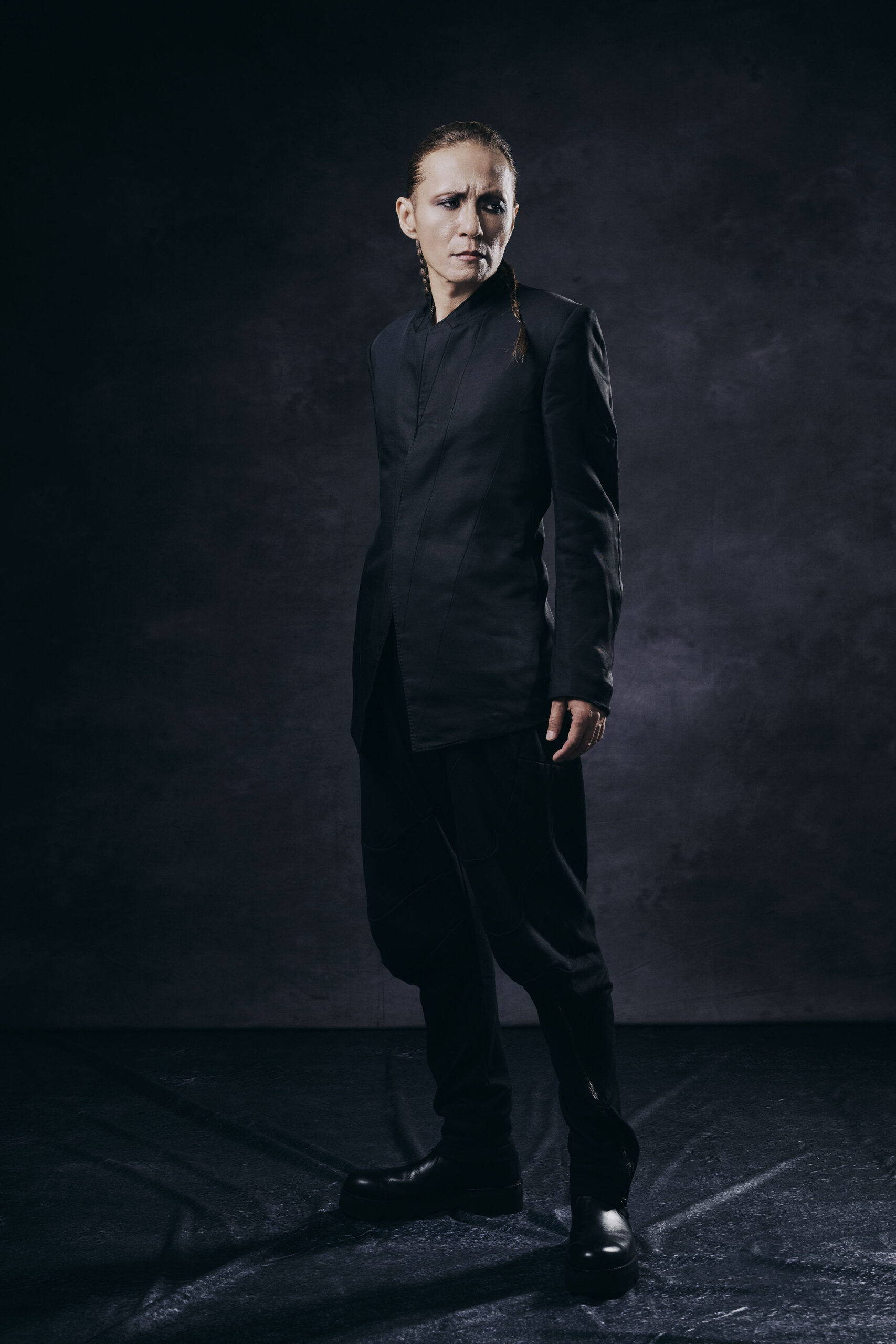
——I also heard that you achieved very good academic results at university. When you decided to pursue a career in rock music, were your parents concerned about you choosing such an uncertain path?
Reo: My parents were very supportive, much like the high school teacher I mentioned earlier. They never discouraged me from pursuing music. They told me that if I had worked so hard and achieved so much through my studies, there was no reason why I couldn’t apply that same dedication to music. They believed that I would be able to succeed in music just as I had done academically. Rather than questioning my decision or trying to dissuade me, they encouraged me and reassured me that everything would be fine. Having their support meant that I could move forward with my decision without feeling that I was going against their wishes.
——It sounds like you were fortunate to have people around you who genuinely supported and believed in you. That’s wonderful. When parents and teachers recognise a child’s potential and encourage them to pursue their interests, it can make an enormous difference in the path they eventually take.
Reo: Indeed. I am extremely grateful for the nurturing environment I had.
——Christianity-related imagery and references occasionally appear in kein’s music. Do you see any connection between your personal faith and the way the band expresses itself artistically?
Reo: I leave everything related to kein’s artistic direction and lyrics to Maco. I don’t directly tell him how I would like things to be expressed or what themes he should explore. So, in that sense, any similarities between my personal faith and the Christian references that appear in kein’s work may simply be coincidental. I don’t necessarily see them as a direct reflection of my own beliefs.
——The title of kein’s new album, Iustitia sine misericordia, is particularly intriguing. It’s a quote from the philosophical ideas associated with Thomas Aquinas and the relationship between justice and mercy. Justice without mercy can become harsh or cruel, while mercy without justice can create its own problems. Yet the album title focuses specifically on the first part: “Justice Without Mercy.” What led to the choice of this expression? And how do you personally interpret the idea of justice without mercy, particularly in light of your Christian faith?
Reo: That’s a difficult question. Maco was the one who proposed the title, and after discussing it together, we all agreed that it was a good choice. I feel that the expression represents a theme that runs throughout the lyrics of the album as a whole. It’s not simply a phrase chosen for its sound; it reflects something that is present across the work. I think the relationship between justice and mercy is something we should continually reflect upon, both within the world of the album and in society as a whole. That’s how I understand the expression. I wouldn’t necessarily say that I interpret it this way because I’m Catholic. But, when I look at the world and the society we live in, I feel that the relationship between justice and mercy is something we all need to keep in mind. It’s an issue that extends beyond religious belief.
——The contrast is interesting: a title that sounds uncompromising, attached to an album whose guitarist approaches the idea in broader philosophical and social terms. It’s been almost thirty years since kein first began. When you compare yourself today with the musician you were back then, how do you think you’ve changed? What aspects of yourself have remained the same, and what has changed considerably over the years?
Reo: The biggest difference is that, back then, I did only what I wanted to do. I was much more focused on my own ideas and on pursuing the things that interested me. Today, I think more about the people around me as well. I still consider what I want to do, of course, but I also try to take into account what others might want or expect. My perspective has broadened beyond my own wishes. It’s the same with lynch. I’ve come to feel that I shouldn’t treat my own opinions as absolute. There are other people involved, each with their own thoughts and perspectives, and I try to remain open to those rather than assuming that my way of seeing things is necessarily the right one. Over time, I’ve also come to realize that making more people happy can itself make me happy. I think that’s one of the biggest changes in how I approach music and my work today.
——I think that’s a sign of personal growth: moving from simply pursuing what makes you happy to finding happiness in making other people happy, too. It’s an interesting shift in perspective, and I imagine it changes not only how you approach music, but also how you relate to the people you work with. After kein ended its activities, you went on to build a long career with lynch. Then, in 2022, while lynch. was on hiatus, you apparently approached the other members of kein and suggested bringing the band back together. What made you want to return to kein at that particular point? Was there also a desire to reconnect with your roots?
Reo: The biggest reason was that, after continuing my career for so many years, I had begun to feel that I was losing sight of myself. I thought that making music again with the members I had played with back then might help me return to my roots. That was what led me to approach them and suggest restarting the band. Once we began making music together again, I gradually felt the mindset I had when we first started kein coming back to me. It reminded me of how I had approached music in those early days. I did feel a sense of fulfillment through that experience. At the same time, another feeling began to emerge: the desire to make things bigger and take them even further.
——It sounds as though returning to kein allowed you to reconnect with the people and the creative mindset you had in your early years, but also helped you rediscover the desire to move forward and take things even further. In a way, looking back gave you a new reason to look ahead.
Reo: Thank you. That’s exactly that. As life moves forward, we can gradually become disconnected from the things that originally gave our choices meaning. Returning to our roots can help us reconnect with ourselves, rediscover what truly matters, and find a new direction. Sometimes, we need to look back in order to understand where we want to go next.
——That’s beautiful and meaningful. Iustitia sine misericordia is kein’s first full-length album since your major-label debut. Looking back at the band’s journey, how do you think kein has evolved and where do you feel the band stands today?
Reo: I think I’m now able to look at things a little more objectively than I could back then. I’ve gained more experience over the years, and perhaps that has given me a different perspective on what we do. But, fundamentally, I don’t think that much has changed. The feelings I had when I first started making music aren’t something that can change dramatically simply because I’ve grown older. In that sense, I feel that what we’re doing now is a continuation of the kein that disbanded in 2000. Although many years have passed and we’ve each had different experiences since then, I don’t feel that the essential spirit of the band has disappeared. What we have today carries on from where we left off.
——You’re currently touring with the album. Now that you’ve had the opportunity to perform these songs live, has your perception of them changed? Have any of the songs surprised you in a particular way?
Reo: When we were creating the songs, we were already thinking about how they would work in a live setting. We had a particular image of how we wanted them to come across on stage and what kind of experience we wanted to create for the audience. So, I wouldn’t say that my impression of the songs has changed since performing them live. Actually, I think they have turned out much as I had imagined. I had envisioned the kind of scenery we wanted to present to the audience, and now it feels as though that vision has come to life through the performances.
——Which song do you enjoy performing the most?
Reo: Trues. The guitar solo in that song is something I play quite instinctively, so I let my emotions guide me. I’m not necessarily thinking through every note or trying to control exactly how it comes out. When I’m able to express those feelings directly through the sound of the guitar, that’s when I find the experience particularly enjoyable.
——That’s interesting. So, rather than thinking about what note to play next, you let your instincts and emotions guide you.
Reo: That’s right!
——I have one final question. If the Reo of today could speak to the younger Reo, who was just starting out with kein, and offer him some advice about how to live his life, what would you tell him? And is there anything from the teachings of Jesus Christ that you would particularly want to pass on to your younger self?
Reo: I would tell my younger self not to overthink things so much. I wouldn’t necessarily approach this from a religious perspective, but there’s a Japanese proverb I often think of: anzuru yori umu ga yasushi. It means that actually doing something is often easier than worrying about it beforehand. The fear is often worse than the danger itself. Once you take the plunge, it’s not as bad as you thought. So, I think I would tell my younger self to relax a little more, not to think too much about everything, and to express himself more freely.
——Thank you very much for your time today, Reo. I really appreciate you sharing so much with me. You’ve given me some beautiful answers, and I hope you enjoy the rest of the tour. When I was preparing for this interview I realised that your birthday had just passed on November 3. I’m a little late, but happy birthday!
Reo: Thank you very much. By the way, are you safe in France now? Things look a little worrying there.
——France is going through some serious difficulties at the moment, with political tensions and clashes. But I’m actually in Japan, so I’m safe! Thank you for asking, and thank you again for your time today.
Reo: Good to hear. Thank you very much. Take care!
Mandah FRÉNOT
(c) VMJ
─────────────
⩺ kein | OFFICIAL WEBSITE | HERE
⩺ kein | OFFICIAL X (ex-TWITTER) | HERE
⩺ kein | OFFICIAL YOUTUBE CHANNEL | HERE
⩺ lynch. | OFFICIAL WEBSITE | HERE
⩺ lynch. | OFFICIAL X (ex-TWITTER) | HERE
⩺ lynch. | OFFICIAL YOUTUBE CHANNEL | HERE

